
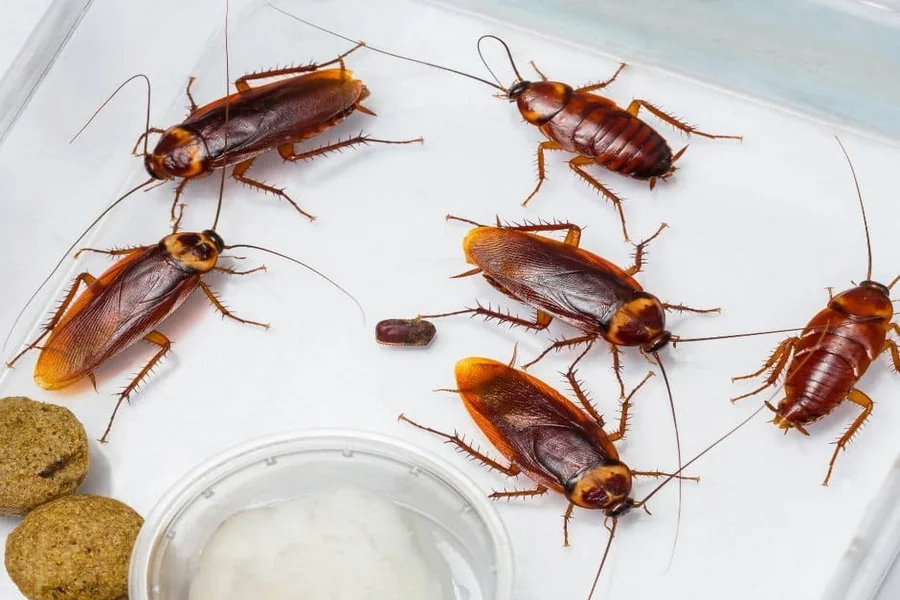
Seasonal changes in humidity can have a significant impact on the indoor environment, affecting not only human comfort but also the behavior of pests like cockroaches. As humidity levels fluctuate throughout the year, these resilient insects may alter their habits, seeking out new hiding spots, food sources, or breeding grounds within homes and buildings. Understanding how cockroaches respond to varying moisture levels is crucial for effective management, especially in regions where seasonal weather patterns are pronounced. By examining the relationship between humidity and cockroach activity, property owners can better anticipate infestations and take proactive steps to maintain a pest-free indoor space.
How humidity affects indoor cockroaches
Cockroach biology and moisture needs
Cockroaches are highly adaptable insects that thrive in a variety of environments, but their survival is closely linked to the availability of moisture. These pests have evolved to seek out damp, humid areas because their bodies are prone to desiccation, or drying out. In the wild, cockroaches are often found in leaf litter, under logs, or in other moist habitats. Indoors, they gravitate toward kitchens, bathrooms, basements, and laundry rooms—places where water is readily accessible. The reason for this preference lies in their physiology: cockroaches lose water through their exoskeleton and require regular access to moisture to maintain their bodily functions. When humidity levels indoors are high, cockroaches can remain active and reproduce more rapidly, as the environment supports their hydration needs. Conversely, during periods of low humidity, these insects may become less active, seek out water sources more aggressively, or even migrate to new locations within a building in search of suitable conditions. This constant search for moisture is a driving force behind their behavior and can influence the severity and location of infestations throughout the year.
Seasonal humidity patterns and cockroach activity
Seasonal shifts in humidity can dramatically alter the behavior and distribution of cockroaches indoors. In many regions, summer brings increased humidity due to higher temperatures and more frequent rainfall, creating ideal conditions for cockroach populations to flourish. During these months, homeowners may notice a surge in sightings as cockroaches become more active, foraging for food and water with greater frequency. In contrast, winter often brings drier air, especially in homes heated by forced air systems, which can reduce indoor humidity to levels that are less hospitable for cockroaches. As a result, these pests may retreat to areas where moisture is still available, such as under sinks, behind appliances, or near leaking pipes. This seasonal migration within the home can make detection and management more challenging, as cockroaches become adept at finding hidden, humid microenvironments. For those seeking cockroach control Chicago, understanding these seasonal patterns is essential for timing interventions and targeting the most vulnerable areas of a property.
Short-term humidity spikes and cockroach behavior
Sudden increases in indoor humidity, such as those caused by plumbing leaks, flooding, or even prolonged cooking and showering, can have an immediate impact on cockroach behavior. When moisture levels rise unexpectedly, cockroaches may emerge from their usual hiding places to exploit new water sources, leading to a noticeable uptick in activity. These short-term spikes can also accelerate breeding, as the insects take advantage of favorable conditions to lay eggs and expand their population. Homeowners who experience sudden humidity changes should be vigilant, as these events can quickly turn a minor cockroach problem into a more serious infestation if not addressed promptly. Monitoring humidity levels and addressing sources of excess moisture can help prevent these rapid population booms and keep cockroach activity in check.
Long-term effects of humidity on infestations
Over the long term, persistent high humidity indoors can create an environment where cockroach populations become deeply entrenched. When moisture is consistently available, cockroaches are able to reproduce at a faster rate, leading to larger and more resilient infestations. This is particularly true in older buildings or homes with chronic moisture problems, such as leaky roofs, poor ventilation, or inadequate drainage. In these settings, cockroaches may establish extensive networks of hiding places, making them difficult to eradicate with surface-level treatments alone. On the other hand, maintaining lower humidity levels through the use of dehumidifiers, proper ventilation, and regular maintenance can make the indoor environment less attractive to cockroaches, reducing the likelihood of long-term infestations. Property owners who address humidity issues as part of their pest management strategy are more likely to achieve lasting results and minimize the risk of recurring problems.
Humidity and cockroach breeding cycles
Humidity plays a crucial role in the breeding cycles of cockroaches. Female cockroaches require moist environments to lay their eggs, and the development of egg cases, or oothecae, is accelerated in high-humidity conditions. When the air is damp, eggs are less likely to dry out, increasing the chances of successful hatching and the survival of nymphs. This means that during humid seasons, cockroach populations can grow rapidly, as each generation matures more quickly and produces more offspring. Conversely, dry conditions can slow down or even interrupt the breeding process, as eggs and young cockroaches struggle to survive without adequate moisture. Understanding this relationship can help homeowners anticipate periods of increased risk and take preventive measures to disrupt the cockroach life cycle before infestations become unmanageable.
Preventing cockroach problems through humidity control
Managing indoor humidity is a practical and effective way to reduce the risk of cockroach infestations. By keeping moisture levels in check, homeowners can make their properties less inviting to these persistent pests. Simple steps such as repairing leaks, using exhaust fans in kitchens and bathrooms, and running dehumidifiers in damp areas can significantly lower humidity and limit cockroach activity. Regular cleaning and prompt removal of food and water sources further discourage cockroaches from settling in. In addition, monitoring humidity with inexpensive hygrometers can help identify problem areas before they attract pests. By integrating humidity control into a broader pest management plan, property owners can create an environment that is inhospitable to cockroaches year-round, reducing the need for chemical treatments and minimizing the health risks associated with infestations.
Conclusion
Seasonal humidity changes have a profound influence on cockroach behavior indoors, shaping where these pests hide, how they breed, and how active they become throughout the year. By understanding the connection between moisture levels and cockroach activity, property owners can take targeted steps to prevent and manage infestations. Addressing sources of excess humidity, maintaining good ventilation, and promptly repairing leaks are all effective strategies for making indoor spaces less attractive to cockroaches. Staying vigilant during periods of high humidity and responding quickly to sudden moisture spikes can help keep populations under control. Ultimately, a proactive approach to humidity management is a key component of maintaining a healthy, pest-free home or business environment.