
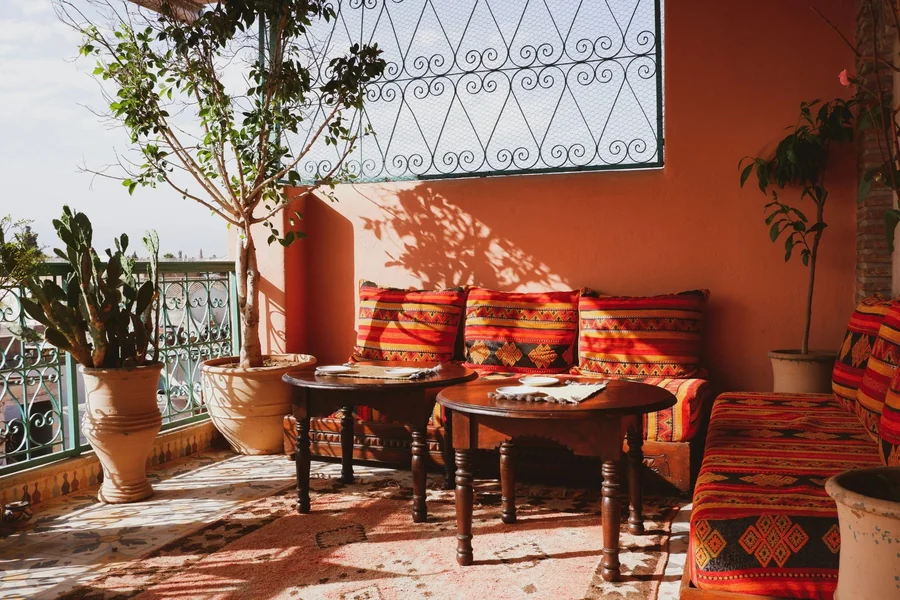
The way we design our outdoor (and indoor) spaces has always been influenced by where we go, what we see, and how we experience the world. But in recent years, global travel has been shaping outdoor design more profoundly than ever before. As homeowners seek to recreate the sense of escape, relaxation, and inspiration they find abroad, gardens, patios, terraces, and pool areas are increasingly reflecting the spirit of far-flung destinations. From Mediterranean courtyards and Moroccan riads to Japanese zen gardens and Balinese retreats, travel-driven design is redefining how we think about outdoor living. This creates a more layered, expressive, and emotionally resonant approach to exterior spaces, where beauty, atmosphere, and experience matter as much as function.
The Rise of Destination-Inspired Outdoor Living
Modern outdoor design doesn’t revolve around perfectly manicured lawns and uniform patio furniture. Instead, it draws heavily from the textures, colors, and rhythms of places people have fallen in love with while traveling. Rather than replicating a destination exactly, designers interpret its essence. A Tuscan villa might inspire terracotta hues, weathered stone, and informal dining areas. A Greek island escape might translate into whitewashed surfaces, pale stone paving, and bursts of deep blue. A tropical retreat could appear in the form of layered greenery, soft lighting, and natural materials. This approach allows homeowners to create emotional recall without becoming superficial or kitsch.
Mediterranean Influence: Warmth, Texture, and Timelessness
The Mediterranean remains one of the most enduring influences on outdoor design. The appeal lies in its balance of elegance and informality, as well as its seamless blending of architecture and landscape. Key elements include sun-warmed stone, rustic wood, clay pottery, and lush plantings. Outdoor dining spaces often take center stage, reflecting a culture that values long, leisurely meals under open skies. Pergolas draped in vines, tiled fountains, and arched walkways introduce romance and movement.
Moroccan and North African Motifs: Pattern and Sensory Richness
Travel to Morocco and North Africa introduces many designers to a world of color, geometry, and craftsmanship. Courtyards, intricate tilework, and layered textures create spaces that feel immersive and intimate. This influence often appears through patterned paving, carved stone, lantern-style lighting, and richly textured textiles. Water features, such as shallow pools or tiled fountains, enhance the sensory experience, cooling the air and adding gentle sound.
Japanese and East Asian Inspirations: Calmness and Connection
At the opposite end of the spectrum, Japanese and East Asian garden traditions emphasize calmness, balance, and mindfulness. These landscapes focus on harmony with nature, encouraging contemplation and tranquility. Elements such as gravel paths, stone lanterns, bamboo screens, and carefully pruned trees create spaces that feel serene and purposeful. Water, in the form of ponds or trickling streams, reinforces a sense of calm.
Tropical Retreats: Layered Greenery and Relaxed Luxury
Destinations such as Bali, Thailand, and the Caribbean have influenced a generation of homeowners seeking lush, resort-style outdoor environments. These spaces emphasize comfort, privacy, and immersion in nature. Dense planting, natural materials, and organic forms create a sense of enclosure and escape. Daybeds, outdoor showers, and low-profile seating invite relaxation, while warm wood tones and soft lighting enhance intimacy.
The Role of Materials in Travel-Inspired Design
Materials are central to translating global influences into cohesive outdoor spaces. Natural stone, wood, ceramic, and metal appear across cultures, offering versatility and authenticity.
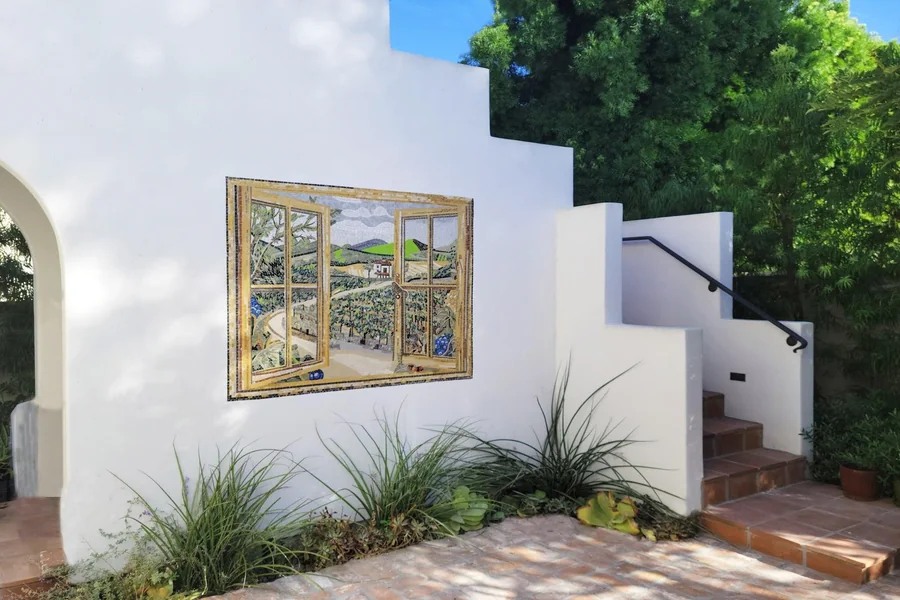
Stone, in particular, provides a tangible link to travel memories. From pale limestone reminiscent of coastal villages to darker slate inspired by mountain landscapes, its variety allows for nuanced storytelling. The use of mosaic paths creates visual journeys through gardens and courtyards, guiding movement while introducing pattern and craftsmanship. These paths not only connect different areas but also serve as decorative features in their own right. Similarly, natural stone mosaics offer subtle texture and artisanal detail, referencing historic architecture while remaining relevant in contemporary settings.
Outdoor Kitchens and Dining Areas: Inspired by Global Hospitality
Travel often reshapes how people think about outdoor dining. Long lunches in Italy, tapas evenings in Spain, and courtyard feasts in Morocco inspire homeowners to prioritize cooking and eating outside. Outdoor kitchens can even rival their indoor counterparts, featuring built-in grills, pizza ovens, refrigeration, and generous prep surfaces. Dining spaces are designed for comfort and atmosphere, with layered lighting, sheltered seating, and thoughtful acoustics.
Pools and Water Features: Borrowing From Resort Design
Resort travel has transformed expectations around pools and water features. Infinity edges, shallow lounging ledges, and integrated seating create environments that feel luxurious and inviting. Inspiration often comes from coastal resorts and wellness retreats, where water is central to relaxation. Reflecting pools, cascading fountains, and naturalistic streams introduce movement and sound, enhancing the sensory quality of outdoor spaces. Designers adapt these features to residential contexts, ensuring they remain functional and maintainable.
Fire Features and Evening Atmosphere
Many travel destinations emphasize outdoor living after dark, from Mediterranean piazzas to desert retreats. Fire pits, lanterns, and ambient lighting create warmth and intimacy, extending usability well into the evening.
In home landscapes, fire features anchor seating arrangements and provide focal points. They encourage lingering conversations and foster a sense of connection, transforming outdoor spaces into true gathering places.
Layered lighting, inspired by global traditions, enhances atmosphere without overpowering natural surroundings. Subtle illumination highlights pathways, plants, and architectural details, allowing the space to glow softly against the night sky.
Cultural Storytelling Through Design
One of the most powerful effects of travel-inspired outdoor design is its ability to tell stories. Each material, texture, and plant choice can reference a memory, experience, or emotional connection. Rather than assembling a collage of global motifs, the most compelling designs focus on a few meaningful influences. This approach ensures coherence while allowing personal narratives to emerge. Objects collected during travel, such as ceramics, lanterns, or textiles, find new life outdoors, anchoring the space in lived experience. These details transform landscapes into personal sanctuaries, rich with memory and meaning.