
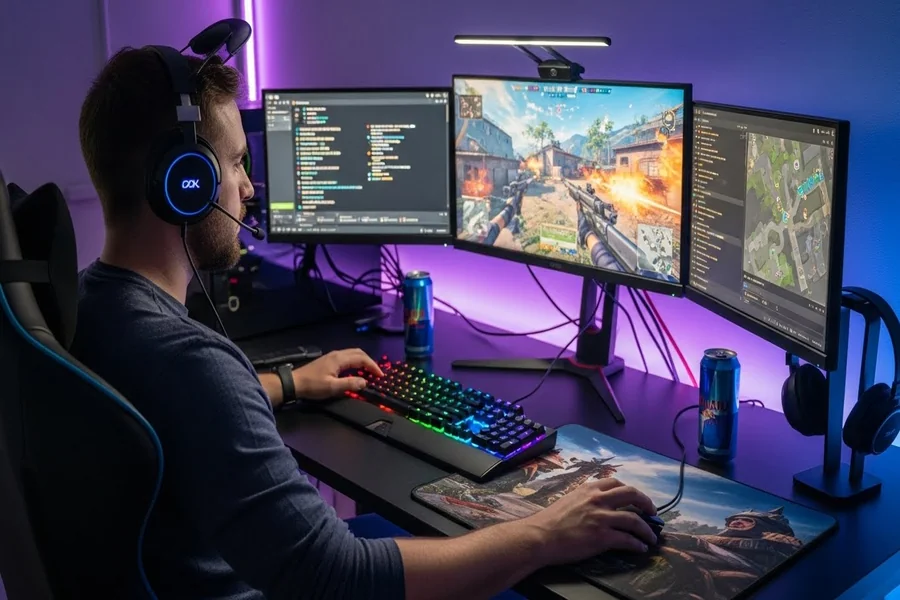
Online slot depo 1000 has evolved into one of the most influential and rapidly growing forms of entertainment in the modern world. What began as simple multiplayer experiments has transformed into a vast digital ecosystem where millions of players interact simultaneously. Today, online gaming is not just about winning matches or completing missions—it is about building identities, forming communities, and participating in living virtual worlds.
As technology continues to advance, online gaming is redefining how people engage with digital media. It blends storytelling, competition, creativity, and social interaction into a single interactive experience. The result is a global phenomenon that continues to expand in both scale and significance.
The Transformation of Interactive Entertainment
In the early days of gaming, experiences were limited to local consoles or arcade machines. Multiplayer interactions required physical proximity. The arrival of internet connectivity completely changed this structure. Players no longer needed to sit in the same room—they could connect from different cities, countries, and continents.
This transformation introduced persistent online environments where actions had lasting consequences. Instead of restarting a game each session, players could return to evolving worlds shaped by collective participation. Developers began designing games that function more like digital societies than isolated programs.
Modern online games are structured around constant updates, seasonal events, and live services. This ensures that content remains fresh and engaging. Rather than releasing a single finished product, many developers now maintain ongoing virtual ecosystems that grow over time.
The Psychology of Engagement
One reason online gaming has become so compelling lies in its ability to engage players psychologically. Games are designed to provide clear goals, measurable progress, and immediate feedback. Whether unlocking achievements or climbing competitive rankings, players experience a sense of advancement.
Multiplayer environments add another layer of motivation. Competing against real individuals creates unpredictability and emotional intensity. Victories feel more rewarding, and defeats encourage improvement. The combination of challenge and reward keeps players invested.
Additionally, customization systems allow players to create digital representations of themselves. Avatars, skins, and personalized profiles give users control over how they present themselves in virtual spaces. This element of identity-building strengthens emotional attachment to online platforms.
Global Accessibility and Mobile Expansion
One of the most significant drivers of online gaming’s growth has been accessibility. Smartphones have brought multiplayer gaming to billions of users worldwide. People no longer need expensive hardware to participate in online experiences. A mobile device and internet connection are often sufficient.
Mobile games frequently integrate social features such as friend lists, messaging systems, and cooperative modes. This ensures that players remain connected even during short play sessions. Casual gamers can enjoy quick matches, while dedicated players can dive deeper into competitive or story-driven modes.
Cloud gaming further expands access by allowing high-performance titles to run on remote servers. Players can stream advanced games directly to their devices without powerful local hardware. This development reduces technical barriers and opens new opportunities for participation.
The Rise of Competitive Ecosystems
Competitive online gaming has developed into a structured and organized industry. Esports tournaments attract global audiences, with professional teams competing for significant prizes. These events are streamed live, often drawing viewership numbers comparable to traditional sporting competitions.
Professional players undergo rigorous training, analyzing strategies and refining teamwork. Coaches and analysts support them, emphasizing that esports demands discipline and dedication. This professional structure has legitimized competitive gaming as a career path.
Beyond large-scale tournaments, ranked matchmaking systems allow everyday players to test their skills. Climbing competitive ladders provides motivation and recognition within gaming communities. This tiered system ensures engagement at both casual and professional levels.
Virtual Economies and Digital Ownership
Online games increasingly feature sophisticated in-game economies. Players can trade items, purchase cosmetic upgrades, and participate in marketplace transactions. Virtual goods often hold substantial value, sometimes even extending into real-world financial systems.
Limited-edition digital assets create demand and rarity. Customization options allow users to differentiate themselves, reinforcing the importance of digital identity. Developers carefully design these systems to maintain balance while sustaining revenue.
The concept of digital ownership is evolving. Players invest time and resources into acquiring items that represent achievements or status. These digital possessions enhance the immersive quality of online worlds.
Community and Collaboration
At its core, online gaming thrives on collaboration. Many games require teamwork to achieve objectives. Players must coordinate strategies, communicate effectively, and support each other in dynamic situations.
Guilds, clans, and alliances create structured communities within larger games. These groups often organize events, training sessions, and competitions. Social interaction becomes as important as gameplay itself.
Online gaming communities extend beyond the games. Forums, social media groups, and streaming platforms serve as gathering points for discussion and content sharing. Fans create artwork, guides, and videos that enrich the overall experience.
For many individuals, these communities provide a sense of belonging and shared purpose.
Technological Innovation and Immersion
Technology continues to push online gaming toward greater realism and immersion. High-definition graphics, advanced physics engines, and spatial audio enhance the sensory experience. Players feel increasingly connected to digital environments.
Virtual reality introduces new dimensions of interaction. Instead of observing from a distance, players can physically move within simulated spaces. This deepens engagement and opens possibilities for entirely new game designs.
Artificial intelligence improves matchmaking systems, ensuring fair competition. It also powers adaptive game mechanics that respond to player behavior. These innovations create more personalized experiences.
As hardware becomes more powerful and networks more stable, the gap between digital and physical realities narrows.
Cultural Impact and Media Integration
Online gaming has become deeply embedded in modern culture. Game characters appear in mainstream media, music artists collaborate with gaming platforms, and virtual concerts attract massive audiences. The boundaries between gaming and other entertainment sectors are fading.
Streaming and video-sharing platforms amplify this cultural integration. Influencers shape gaming trends, introduce new titles, and build dedicated fan communities. The interactive nature of live streaming strengthens connections between creators and audiences.
Gaming terminology and references now appear in everyday conversations. This cultural shift demonstrates the widespread acceptance and normalization of online gaming.
Responsible Participation and Future Considerations
As online gaming grows, responsible engagement remains important. Encouraging balanced playtime, promoting positive interactions, and ensuring digital security are ongoing priorities for developers and players alike.
Parental controls, reporting systems, and community guidelines contribute to safer environments. Education around healthy gaming habits helps users maintain a productive balance between digital and offline life.
Looking forward, emerging technologies such as advanced AI systems and interconnected virtual spaces may reshape online gaming even further. Persistent shared environments—sometimes described as digital metaverses—could blend entertainment, commerce, and communication in unprecedented ways.
Conclusion
Online slot depo 5k has evolved far beyond its early beginnings. It is now a dynamic and multifaceted digital ecosystem that influences technology, culture, and global interaction. From competitive esports arenas to collaborative adventure worlds, online gaming offers diverse experiences tailored to a wide range of interests.
Its rapid growth reflects humanity’s desire for connection, creativity, and challenge. As innovation continues and communities expand, online gaming will remain a defining feature of the digital age. The universe beyond the screen is only getting larger—and its possibilities are virtually limitless.