
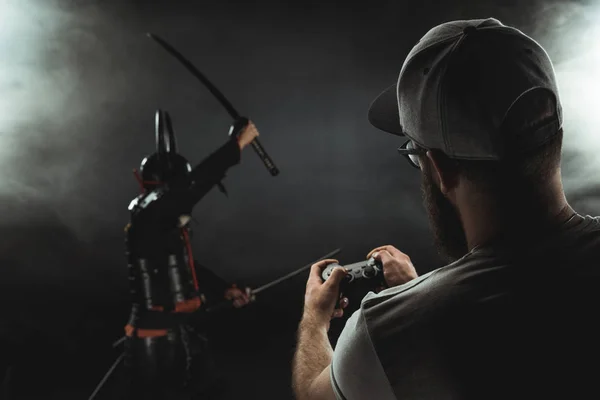
Have you ever joined an online game and felt, almost right away, that you were part of something moving with you?
That feeling is special because online gaming is not still or silent. It is active. People are talking, helping, reacting, laughing, planning, and moving through shared moments together. Belonging does not just sit in one place. It happens while players are doing things side by side.
That is why online gaming can feel like belonging in motion. It gives people a space where connection grows through action, not only through words. A player can feel included because someone invites them, trusts them, follows their lead, or celebrates a moment with them.
Belonging Starts With Showing Up
Online BANDIT4D gaming makes it easy for people to join a shared activity. A player can enter a match, a group, a chat, or a team and quickly become part of the moment.
That first step matters. When people show up often, others begin to recognize them. A name becomes familiar. A play style becomes known. A simple greeting starts to feel warm.
Familiar Names Create Comfort
Seeing the same players again can feel nice. It gives the space a friendly rhythm.
Someone might say, “Hey, you’re back,” or “Want to join us?” Small comments like that can make a person feel included. They show that the player is remembered.
Over time, a familiar username can feel like a seat saved at the table. It tells the player, “You have a place here.”
Regular Play Builds Trust
Trust grows naturally when people play together often. Players learn how others think, move, and communicate.
One person may be calm during busy moments. Another may be quick with ideas. Someone else may be kind to newer players. These patterns help the group feel steady.
When people know what to expect from each other, teamwork feels smooth and friendly.
Movement Makes Connection Feel Alive
In online gaming, belonging is not only about being accepted. It is also about taking part. Players feel connected because they are doing something together in real time.
That action makes the bond feel active. Everyone is reacting to the same moment, making choices, and helping the group move forward.
Teamwork Turns Players Into a Unit
When players work together, they start to feel like parts of one group. Each person brings something useful.
A team may need someone to plan, someone to support, someone to explore, and someone to keep the mood light. These roles form in a natural way.
This makes people feel valued. They know their effort adds something to the group.
Shared Timing Creates Togetherness
There is something powerful about reacting at the same time. A group laughs at the same joke, celebrates the same win, or follows the same plan.
That shared timing makes distance feel smaller. Even when players are in different places, they are still part of one live moment.
It feels less like watching from far away and more like being right there with everyone else.
Identity Grows Through Play
Online gaming gives people many ways to show who they are. This can happen through avatars, usernames, outfits, roles, voice, humor, and play style.
These details help players feel seen. They also help others understand and remember them.
Avatars Give Personality a Shape
An avatar can show mood, taste, and creativity. Some players like bright colors. Some like clean looks. Others enjoy changing their style often.
These choices can feel personal. They give players a way to say, “This feels like me,” without needing a long speech.
When others recognize that style, the player feels more connected to the group.
Play Style Becomes a Social Signature
How someone plays can become part of their identity. A player may be known as the helper, the planner, the builder, the explorer, or the funny one.
These roles are not forced. They grow through repeated moments.
When people are appreciated for what they bring, belonging becomes stronger. They feel useful, known, and welcome.
Communities Move Through Shared Goals
Online BANDIT4D LINK gaming communities often gather around goals. These goals may be simple, creative, social, or skill-based.
A shared goal gives everyone a reason to move in the same direction. It turns individual play into group progress.
Goals Give People a Reason to Return
A group might want to finish a mission, improve together, build something, learn a new skill, or plan a fun session.
These goals create a shared rhythm. Players return because they want to keep the experience going with the people they enjoy.
The goal matters, but the connection around it matters just as much.
Progress Feels Better With Others
Progress feels rewarding when it is shared. People enjoy seeing how far the group has come.
A community may celebrate:
- A new player learning quickly
- A team plan is working well
- A creative idea coming to life
- A calm moment of support
- A fun session everyone remembers
These shared wins make the group feel closer.
Conversation Flows Naturally During Play
Online gaming often makes conversation feel easy. Players do not have to sit face-to-face and think of what to say. The activity gives them natural things to talk about.
This helps people connect in a relaxed way. The chat can move from game talk to jokes, stories, daily life, and friendly support.
Play Gives People Simple Openings
A player can start with something small: “Nice move,” “Let’s try this,” or “That was funny.”
Those simple lines can open the door to a real connection. Over time, the group talks more freely because the shared activity keeps things comfortable.
Inside Jokes Make Groups Feel Close
Many gaming groups develop their own jokes, phrases, and habits. These little things help the community feel personal.
An inside joke can remind everyone of a funny moment. A repeated phrase can make the group smile before the session even starts.
These details turn regular play into a shared culture.
Belonging Keeps Moving Forward
Online gaming feels like belonging in motion because connection grows through action. Players show up, move together, make choices, share goals, and build memories while play is happening.
At its heart, online gaming brings people together through movement, teamwork, expression, and shared joy. It gives players a place to be recognized, a role to enjoy, and a reason to keep coming back with people who make the experience feel meaningful.