
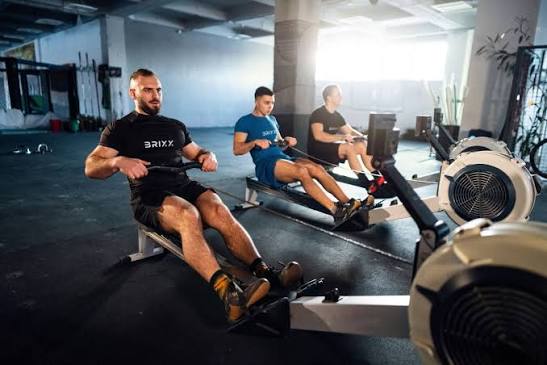
Fitness gear and accessories play a crucial role in enhancing our workout experiences and helping us achieve our fitness goals. From basic equipment to high – tech gadgets, there is a wide range of options available in the market. In this article, we will explore different types of fitness gear and accessories in detail.
Cardiovascular Fitness Equipment
Cardiovascular exercises are essential for improving heart health, burning calories, and increasing endurance. There are several types of equipment designed specifically for cardio workouts.
Treadmills are one of the most popular pieces of cardiovascular equipment. They allow you to walk, jog, or run indoors regardless of the weather conditions. For example, many people who live in areas with extreme climates rely on treadmills to maintain their running routine. A good quality treadmill often comes with adjustable incline and speed settings. You can simulate different terrains, which adds variety to your workout. Some high – end treadmills even have built – in workout programs that can adapt to your fitness level. For instance, if you’re a beginner, it can start you off with a gentle walking pace and gradually increase the intensity as you get fitter.
Elliptical trainers are another great option for cardio. They provide a low – impact workout, which is ideal for people with joint problems. The elliptical motion mimics running, walking, and climbing stairs, working out multiple muscle groups at the same time. Many ellipticals have handlebars that move in sync with your lower body, providing an upper body workout as well. Some users find that elliptical trainers are less strenuous on their knees compared to running on a treadmill, making it a long – term sustainable option for regular cardio exercise.
Stationary bikes are also widely used for cardiovascular training. There are two main types: upright bikes and recumbent bikes. Upright bikes are similar to traditional bicycles and offer a more intense workout, engaging your core muscles to maintain balance. Recumbent bikes, on the other hand, have a more laid – back seating position, which is great for people with lower back problems. They provide support for the back while still allowing you to get a good cardio session. For example, older adults or those recovering from back injuries often prefer recumbent bikes for their comfort and safety.
Strength Training Equipment
Strength training is important for building muscle, increasing bone density, and improving overall strength. There is a diverse range of strength training equipment available.
Dumbbells are a staple in strength training. They come in various weights, allowing you to gradually increase the intensity of your workouts as you get stronger. You can perform a wide variety of exercises with dumbbells, such as bicep curls, shoulder presses, and lunges. For beginners, it’s advisable to start with lighter weights, like 2 – 5 pounds for women and 5 – 10 pounds for men, and gradually progress. For example, a novice weightlifter might start with 3 – pound dumbbells for bicep curls and work their way up to 10 – pound dumbbells over a few months of consistent training.
Barbells are another essential piece of strength training equipment. They are used for compound exercises that work multiple muscle groups simultaneously. Exercises like squats, deadlifts, and bench presses with barbells are highly effective for building overall strength. However, using barbells requires proper form and often a spotter, especially when lifting heavy weights. For instance, when performing a heavy barbell squat, having a spotter can prevent accidents and ensure that you are lifting safely. Some gyms even have barbell racks with safety features to make the exercise more secure.
Resistance bands are a convenient and portable option for strength training. They come in different levels of resistance, from light to heavy. Resistance bands can be used for a variety of exercises, including leg workouts, arm curls, and back extensions. They are also great for people who travel frequently or have limited space at home. For example, a business traveler can easily pack a set of resistance bands in their suitcase and continue their strength training routine while on the road.
Weight machines are popular in gyms. They are designed to isolate specific muscle groups and provide a controlled range of motion. For example, a leg press machine allows you to focus on your quadriceps, hamstrings, and glutes. Weight machines are often easier to use for beginners as they guide the movement and reduce the risk of injury. However, they may not provide the same functional strength as free weights, as they limit the natural movement patterns of the body.
Fitness Tracking Accessories
Fitness tracking accessories have become increasingly popular in recent years. They help us monitor our workouts, track our progress, and stay motivated.
Smartwatches are one of the most well – known fitness tracking accessories. They can track a variety of metrics, such as steps taken, distance traveled, calories burned, and heart rate. Some smartwatches also have built – in GPS, which allows you to accurately track your outdoor runs or bike rides. For example, a runner can use a smartwatch to map their running route, measure their pace, and see how many calories they’ve burned during the run. Smartwatches often come with apps that can sync with your smartphone, allowing you to view detailed workout reports and set goals. You can set a goal to walk 10,000 steps a day, and the smartwatch will remind you if you’re falling behind.
Fitness trackers are smaller, more specialized devices. They are usually worn on the wrist or clipped to clothing. Fitness trackers focus mainly on activity tracking, such as steps, sleep quality, and activity levels throughout the day. Some fitness trackers also have features like heart rate monitoring and calorie tracking. For example, a person trying to lose weight can use a fitness tracker to monitor their daily calorie expenditure and adjust their diet accordingly. They can see how different activities, like walking, climbing stairs, or doing housework, contribute to their overall energy burn.
Heart rate monitors are essential for those who want to optimize their workouts. They accurately measure your heart rate during exercise, allowing you to stay within your target heart rate zone. This is important for both cardiovascular health and efficient calorie burning. For example, during a high – intensity interval training (HIIT) session, a heart rate monitor can help you ensure that you’re pushing hard enough during the intense intervals and recovering properly during the rest periods. Some heart rate monitors are worn as chest straps, while others are integrated into smartwatches or fitness trackers.
Protective and Comfort – Enhancing Accessories
When working out, it’s important to protect our bodies and ensure a comfortable experience. There are several accessories designed for this purpose.
Workout gloves are a common accessory. They provide grip when using barbells, dumbbells, or weight machines. They also protect your hands from blisters and calluses. For weightlifters who perform a large number of repetitions, workout gloves can make a significant difference in comfort. Some workout gloves also have padding on the palms, which can reduce the impact on your hands during heavy lifting. For example, a powerlifter who is constantly gripping heavy barbells for squats and deadlifts will benefit greatly from a good pair of padded workout gloves.
Knee sleeves and braces are used to support the knees during workouts. They are especially useful for activities like squats, lunges, and running. Knee sleeves provide compression, which can help reduce pain and inflammation in the knees. Knee braces, on the other hand, offer more stability and are often used by people with pre – existing knee injuries. For example, an athlete recovering from a knee ligament tear may wear a knee brace during rehabilitation workouts to prevent further injury and support the healing process.
Headbands and sweatbands are simple yet useful accessories. They keep sweat out of your eyes during intense workouts, preventing irritation. Headbands are often worn around the forehead, while sweatbands can be used on the wrists or arms. For a person doing a high – intensity cardio workout, like a spin class, a headband can make the exercise much more comfortable by keeping their vision clear and preventing sweat from dripping into their eyes.
Yoga mats are essential for yoga and other floor – based exercises. They provide a non – slip surface, which is important for safety during poses. A good quality yoga mat also offers cushioning, protecting your joints from hard floors. For example, when practicing yoga at home on a wooden floor, a thick and sticky yoga mat can make the experience more comfortable and prevent you from slipping during dynamic poses.
Nutrition and Hydration Accessories
Proper nutrition and hydration are key components of a successful fitness routine. There are accessories that can help us with this aspect.
Shaker bottles are used to mix protein shakes, pre – workout supplements, or other powdered drinks. They usually have a wire whisk or ball inside to ensure that the powder is fully dissolved. Shaker bottles come in different sizes and designs. Some are insulated to keep your drink cold for longer periods. For example, a bodybuilder who needs to consume a protein shake after a workout can use a shaker bottle to quickly and easily mix the powder with water or milk. The insulated shaker bottle will keep the shake cold, making it more enjoyable to drink.
Water bottles are essential for staying hydrated during workouts. There are many types of water bottles available, from simple plastic bottles to high – end insulated and leak – proof bottles. Some water bottles have special features like built – in filters or straws. For a long – distance runner, a large – capacity, leak – proof water bottle with a comfortable carrying strap is ideal. They can carry enough water to stay hydrated during a long run without having to worry about spills.
Meal prep containers are useful for those who want to eat healthy and stay on track with their nutrition goals. They come in different sizes and compartments, allowing you to separate different food items. Meal prep containers are often made of BPA – free plastic or stainless steel. For example, a person following a strict diet plan can use meal prep containers to portion out their meals for the week. They can prepare healthy lunches and dinners in advance, which saves time and ensures that they are eating the right amount of nutrients.