
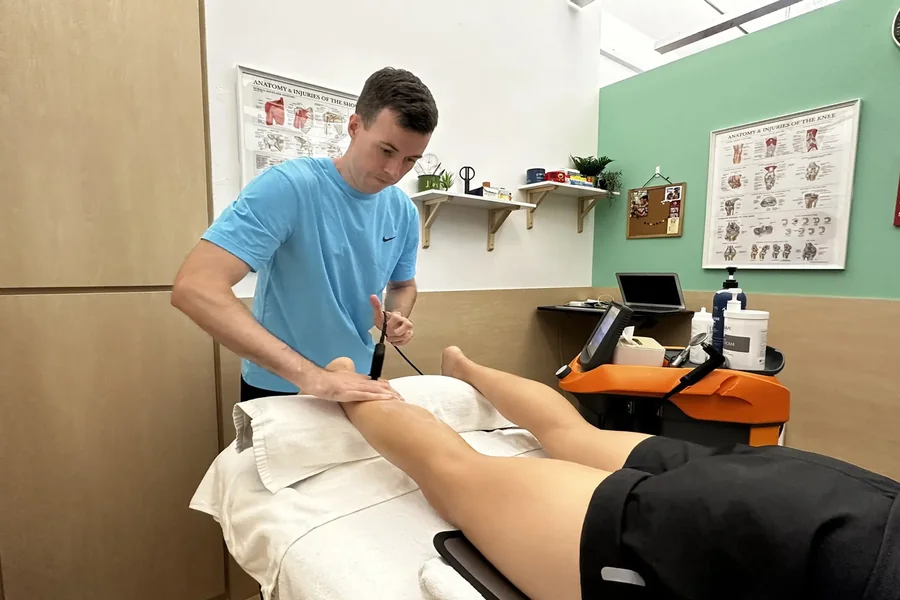
Sports and recreational activities have become increasingly popular in Singapore, from regular gym workouts and running to weekend football games and group fitness classes. As more people adopt active lifestyles, there has also been a noticeable rise in sports-related injuries such as sprains, ligament tears, muscle strains, and joint overuse conditions. These injuries can affect both casual exercisers and competitive athletes, often impacting daily movement and quality of life if not managed properly.
This is where orthopaedic Singapore clinics play an important role, providing accurate diagnosis and structured treatment plans to support recovery. For individuals seeking specialised care, consulting an orthopaedic in Singapore ensures that injuries are properly assessed and managed to reduce the risk of long-term complications and recurring problems.
Common Types of Sports Injuries Seen in Orthopaedic Clinics
In orthopaedic Singapore practices, sports injuries tend to follow recognisable patterns depending on the type of activity and level of physical strain involved. These injuries can affect different parts of the body, especially the joints, ligaments, and tendons that are heavily used during exercise and sports.
Common sports injuries include:
- Ankle sprains – often seen in running, basketball, and football due to sudden twisting movements
- ACL tears – common in pivoting sports such as football, netball, and skiing-related activities
- Meniscus injuries – caused by twisting or deep bending of the knee under load
- Shoulder dislocations and rotator cuff strains – frequently seen in gym training, swimming, or contact sports
- Achilles tendon strains or rupture – often linked to sudden acceleration or jumping activities
- Tennis elbow and golfer’s elbow – overuse injuries from repetitive arm or wrist movements
- Patellar tendinitis (jumper’s knee) – common in sports involving jumping or repetitive knee impact
These conditions may present suddenly after an injury or develop gradually due to repetitive stress. Recognising these patterns allows an orthopaedic Singapore specialist to assess the severity accurately and recommend the most suitable treatment approach early.
Initial Assessment And Diagnosis Process
When patients visit orthopaedic Singapore clinics for sports injuries, the first step is a thorough assessment to understand both the nature and severity of the condition. This process typically begins with a detailed discussion of how the injury occurred, the type of sport involved, and the symptoms experienced, such as pain, swelling, instability, or reduced range of motion.
A physical examination is then performed to assess joint stability, tenderness, and functional limitations. Depending on the findings, imaging tests may be recommended to confirm the diagnosis and rule out more serious structural damage. Common diagnostic tools include:
- X-rays – to detect fractures or bone alignment issues
- Ultrasound scans – useful for evaluating soft tissue injuries such as tendons and ligaments
- MRI scans – provide detailed imaging of ligaments, cartilage, and internal joint structures
Accurate diagnosis is essential in orthopaedic Singapore practice, as similar symptoms can arise from different underlying injuries.
Non-Surgical Treatment Approaches
In many cases, sports injuries managed in orthopaedic Singapore clinics do not require surgery, especially when treated early. Conservative treatment focuses on reducing pain, controlling inflammation, and restoring function.
This may include rest, activity modification, anti-inflammatory medication, and the use of braces or support devices to stabilise the affected area. Physiotherapy plays a key role in recovery, helping to improve strength, flexibility, and joint mobility through guided exercises.
In some cases, targeted treatments such as injections may be recommended to reduce inflammation and support healing. With proper adherence to rehabilitation, many patients are able to return to sports without the need for surgical intervention.
When Surgery Becomes Necessary
While many sports injuries can be successfully managed without surgery, there are certain situations in orthopaedic Singapore practice where surgical treatment becomes the more appropriate option. This is usually when the injury involves significant structural damage or when symptoms persist despite adequate conservative care.
Surgery may be considered in cases such as:
- Complete ligament tears (e.g. ACL rupture) causing joint instability
- Unstable or displaced fractures that cannot heal properly with casting alone
- Severe cartilage or meniscus injuries affecting knee function and movement
- Recurrent dislocations, especially in the shoulder or kneecap
- Persistent pain and dysfunction despite physiotherapy and non-surgical treatment
Common procedures include arthroscopic (keyhole) surgery, ligament reconstruction, and fracture fixation using plates or screws. In orthopaedic Singapore settings, the focus is not only on repairing the injury but also on restoring stability and supporting a safe return to daily activities.
Rehabilitation And Return To Sport Planning
After treatment, whether surgical or non-surgical, rehabilitation is a critical phase in orthopaedic Singapore care for sports injuries. Recovery is not just about healing the injured structure, but also restoring strength, balance, coordination, and confidence in movement.
A structured physiotherapy programme is usually introduced to guide patients through progressive exercises tailored to their specific injury and sport. Rehabilitation typically involves:
- Early-stage recovery – pain control, swelling reduction, and gentle range-of-motion exercises
- Strength rebuilding – targeted exercises to restore muscle support around the injured joint
- Functional training – improving balance, coordination, and sport-specific movement patterns
- Gradual return-to-sport phase – carefully monitored progression back to full activity
In orthopaedic Singapore practice, return-to-sport decisions are made carefully to minimise the risk of re-injury.
Prevention And Long-Term Joint Health
Preventing future injuries is an important aspect of orthopaedic Singapore care, especially for individuals who are regularly active in sports or exercise. Many sports injuries develop due to factors such as inadequate warm-up, poor conditioning, incorrect technique, or sudden increases in training intensity. Over time, these can place unnecessary stress on joints, muscles, and ligaments, leading to avoidable strain or overuse injuries.
Maintaining long-term joint health involves building proper strength and flexibility, allowing adequate recovery between workouts, and gradually progressing activity levels. With the right habits and guidance, patients can reduce the risk of recurrent injuries and support sustained physical performance.
Conclusion
Sports injuries are common among active individuals in Singapore, but with timely assessment and appropriate management, most conditions can recover well without long-term complications.
Understanding the nature of the injury, receiving an accurate diagnosis, and following a structured treatment and rehabilitation plan are key to restoring function and reducing the risk of recurrence. For assessment and management of sports injuries, you may contact our clinic at:
Ray of Health
1 Orchard Blvd, Singapore 248649
Phone: 6235 8781