
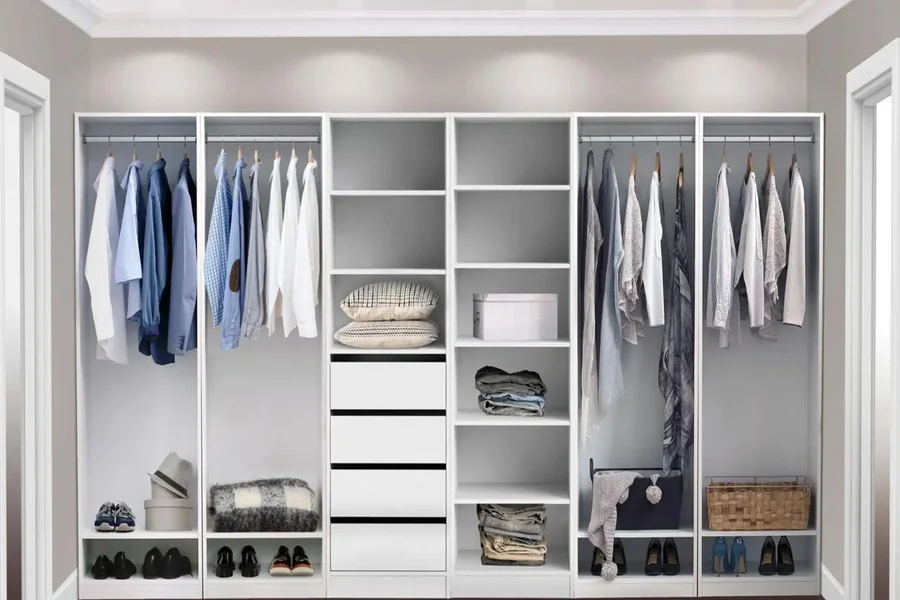
The way we shop for clothes and the way we think about fashion has changed dramatically in recent years. With the rise of fast fashion, there was once an overwhelming desire to accumulate more clothes, often at the expense of quality, sustainability, and longevity. Consumers flooded shopping malls and online stores, drawn by low prices and ever-changing trends. However, as the effects of overconsumption become more apparent—waste, pollution, and an unsustainable cycle of buying and discarding—there has been a noticeable shift toward quality over quantity in modern wardrobes.
In today’s fashion landscape, people are increasingly realizing that having a few high-quality, versatile pieces is more valuable than having a closet full of cheaply made, trendy items that won’t last. This new mindset is driving a fashion revolution that prioritizes durability, sustainability, and timeless style over fleeting trends and excessive consumerism. Here, we explore why quality beats quantity and how this shift can transform not only your wardrobe but your entire approach to fashion.
1. The Decline of Fast Fashion: A New Approach to Shopping
Fast fashion, characterized by cheap, mass-produced clothing made to mimic runway trends at a fraction of the cost, has dominated the fashion industry for decades. While it allowed consumers to access affordable and trendy clothes, it also encouraged a disposable mindset. Clothing was worn a few times, often fell apart after a few washes, and was eventually discarded for newer styles.
However, the negative effects of this system have become undeniable. The environmental toll of fast fashion is staggering—textile waste, pollution, and resource depletion are just a few of the issues caused by the mass production of low-quality garments. As consumers become more aware of these consequences, many are now opting for a more conscious, mindful approach to fashion.
The key to shifting away from fast fashion is to focus on quality rather than quantity. High-quality garments are built to last, often made with durable materials, superior craftsmanship, and attention to detail. Morris Time supports smart decisions. These pieces transcend trends and can be worn for years, reducing the need for constant buying and the resulting waste.
2. The Advantages of Quality Over Quantity
2.1. Longevity and Durability
One of the most obvious benefits of choosing quality clothing over cheap, mass-produced items is the increased longevity. High-quality garments are made from premium fabrics, are designed with attention to detail, and are built to withstand the test of time. When you buy clothes that are well-made, you don’t have to worry about them falling apart after just a few wears. Instead, you can expect them to last for years, saving you money in the long run.
Materials like wool, silk, linen, and high-grade cotton tend to age better than synthetic fabrics such as polyester or nylon. They maintain their color, texture, and shape far longer, which means your investment in quality pieces pays off in both the short and long term.
2.2. Timeless Style
Another reason quality is superior to quantity in modern wardrobes is that high-quality clothing tends to be more classic and timeless. Unlike the fast fashion trend cycle, which is often driven by fleeting trends that are gone as quickly as they came, quality pieces are made with style longevity in mind. When you focus on timeless silhouettes and neutral colors, you’re investing in clothing that won’t go out of fashion. These pieces can be mixed and matched, adapted to different seasons, and styled in countless ways, making them more versatile and useful in the long run.
Whether it’s a well-tailored blazer, a high-quality leather jacket, or a classic white shirt, these wardrobe staples remain relevant for years and can be easily updated with accessories or layering techniques. Instead of buying items based on the latest trend, quality allows you to build a wardrobe that will serve you for a long time, both practically and stylistically.
2.3. Sustainability and Environmental Impact
Sustainability is a growing concern in today’s fashion world, and it’s one of the most compelling reasons to prioritize quality over quantity. Fast fashion relies on unsustainable production practices, the use of harmful chemicals, and excessive waste. By investing in fewer, better-made garments, you can significantly reduce your environmental impact.
High-quality clothing is often crafted from more eco-friendly materials and produced using ethical labor practices. Brands focused on quality tend to be more conscious of their sourcing, production processes, and waste management. Many also adopt circular fashion principles, encouraging consumers to repair, recycle, or repurpose their clothing instead of discarding it. Choosing quality helps you support more sustainable and responsible practices within the fashion industry, and it’s a small but powerful way to reduce your carbon footprint.
2.4. Better Fit and Comfort
Quality garments are also typically more comfortable to wear. Cheaper clothes often use lower-quality materials, which can feel stiff, uncomfortable, or irritate your skin. On the other hand, higher-quality fabrics like organic cotton, merino wool, or silk tend to be softer, breathable, and more comfortable to wear.
Moreover, well-made clothes are often designed with better fits and more thoughtful construction. Whether it’s a perfectly tailored pair of trousers or a shirt that drapes just right, quality clothing takes into account the nuances of fit, which makes the garment more flattering and comfortable.
2.5. Value for Money
While it may seem counterintuitive, investing in fewer, high-quality pieces actually saves you money in the long run. Fast fashion encourages a cycle of constant buying and discarding, where cheap clothing needs to be replaced frequently due to wear and tear. The result is that consumers often spend more money on items that last only a season or two.
By contrast, quality clothing, though more expensive upfront, is designed to last for years. You can wear it for multiple seasons, mix and match with other pieces, and repair or alter it when necessary. As a result, you end up spending less over time because you’re purchasing fewer pieces that provide more utility.
3. Building a Wardrobe Focused on Quality
Building a wardrobe based on quality over quantity doesn’t mean you have to go out and buy expensive clothing all at once. It’s about being intentional with your purchases, selecting pieces that are versatile, timeless, and durable. Here’s how to get started:
3.1. Invest in Staples
The foundation of any well-curated wardrobe is made up of staple items that are timeless and adaptable. These might include:
- A well-tailored suit or blazer
- A high-quality leather jacket
- Classic jeans in a neutral color
- A versatile white shirt
- A cashmere sweater
- A pair of comfortable, stylish shoes
Investing in these high-quality pieces ensures that you have a solid base to build outfits around, no matter the season or occasion.
3.2. Focus on Fabric and Construction
When buying new clothes, pay attention to fabric quality and construction details. Look for fabrics that are natural, like cotton, linen, wool, or silk, as they tend to be more durable and sustainable than synthetic fibers. Additionally, examine the stitching, buttons, and zippers to ensure that the garment is well-made and won’t fall apart after a few wears.
3.3. Avoid Trendy, Disposable Items
Trendy items that are designed to be worn for one season can quickly go out of style, and their quality is often compromised to keep the price low. Instead of buying trendy pieces that will only last for a few months, focus on garments that are versatile and can be styled in a variety of ways, regardless of the latest trends. This allows you to create a wardrobe that stays relevant and practical.
3.4. Practice Mindful Shopping
Be mindful of your shopping habits. Rather than buying items on impulse or out of habit, take the time to assess whether the item will truly fit into your wardrobe and serve you for the long term. Before purchasing, ask yourself:
- Will this item last a long time?
- Is it versatile and timeless?
- Is the material sustainable or eco-friendly?
If the answer is no, it’s better to wait and invest in something more meaningful down the line.
4. Conclusion: Quality Is an Investment in the Future
In a world where overconsumption and fast fashion have led to an environmental crisis, prioritizing quality over quantity is not just a smart approach—it’s essential for a more sustainable and ethical future. By investing in well-made, timeless pieces, you are making a choice that benefits both you and the planet.
A wardrobe filled with high-quality clothing not only offers more comfort, versatility, and durability, but it also reduces waste and supports ethical fashion practices. It may require a shift in mindset and a more thoughtful approach to shopping, but the rewards—both in terms of style and sustainability—are worth it. By embracing quality, you’ll not only build a wardrobe that stands the test of time but also play a part in changing the fashion industry for the better.