
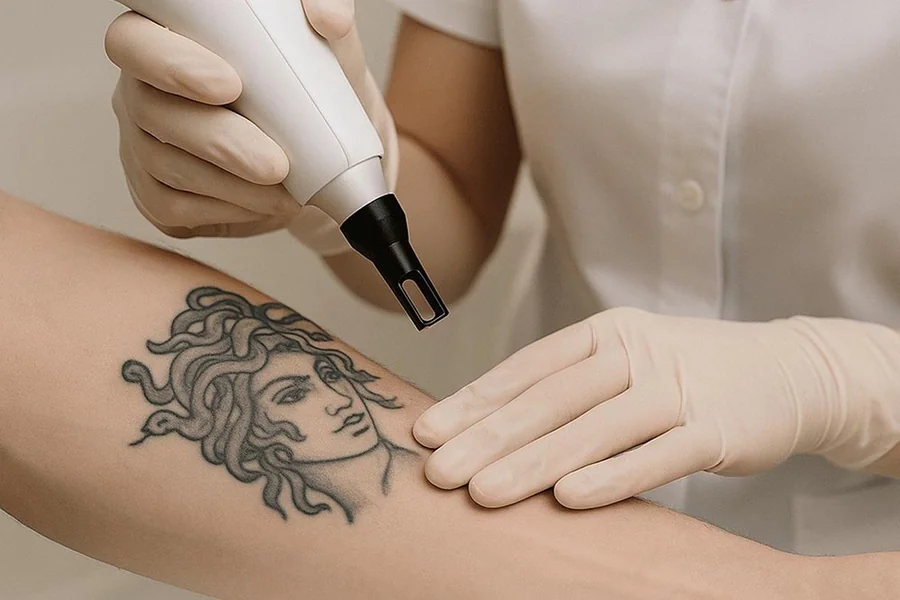
Regretting that tattoo you got years ago? You’re not alone. Millions of people seek tattoo removal each year, but few understand what actually happens beneath the skin during the process. Let’s explore the fascinating science behind how tattoo removal works and what you can expect from modern removal techniques.
The Science Behind Permanent Tattoos
Before understanding removal, it’s important to know why tattoos are permanent in the first place. When a tattoo artist injects ink into your skin, the needle penetrates the dermis, which is the second layer beneath the surface. Your immune system immediately recognizes these ink particles as foreign invaders and sends white blood cells to attack them.
However, tattoo ink particles are too large for your white blood cells to break down and remove. They become trapped in the dermis, where they remain visible through the semi-transparent outer layer of skin. This is why tattoos don’t simply fade away on their own, even though your body continuously tries to eliminate them.
How Laser Technology Breaks Down Ink
Modern tattoo removal relies primarily on laser technology, specifically Q-switched lasers or newer picosecond lasers. These devices emit highly concentrated light beams that target the tattoo ink without damaging the surrounding skin tissue. The process is more sophisticated than simply burning away the ink.
The laser energy is absorbed by the ink particles, causing them to heat up rapidly and shatter into much smaller fragments. Think of it like breaking a large rock into pebbles, then into sand. These smaller particles are now small enough for your immune system to recognize and eliminate through the body’s natural waste removal processes.
Different wavelengths of laser light are used for different ink colors. Black and dark blue inks absorb most laser wavelengths easily, making them the easiest to remove. Lighter colors like yellow, green, and fluorescent inks require specific wavelengths and are generally more challenging to eliminate completely.
What Happens During and After Treatment
During a laser removal session, most people describe the sensation as similar to having a rubber band snapped against the skin repeatedly. The procedure typically takes just a few minutes, depending on the tattoo’s size. Immediately afterward, the treated area may appear white or frosted, which is a normal reaction that fades within minutes.
In the hours and days following treatment, you’ll likely experience redness, swelling, and possibly some blistering. This is your body’s natural inflammatory response and indicates that the healing process has begun. Your immune system is now working overtime to flush out those shattered ink particles through your lymphatic system.
The Timeline for Complete Removal
Patience is essential when it comes to tattoo removal. A single session won’t erase your tattoo because your body needs time to process and eliminate the fragmented ink particles. Most tattoos require between six and twelve sessions spaced six to eight weeks apart for optimal results.
The number of sessions depends on several factors, including the tattoo’s age, size, color, and depth. Professional tattoos typically require more sessions than amateur ones because they contain more ink placed deeper in the skin. Your skin type, overall health, and immune system efficiency also play significant roles in how quickly you’ll see results.
Those seeking safe and effective tattoo removal Rochester can find experienced professionals who use FDA-approved lasers and follow proper protocols to minimize risks and maximize results.
Potential Side Effects and Considerations
While modern laser removal is generally safe, it’s not entirely without risks. Temporary side effects include blistering, scabbing, and changes in skin texture. Some people experience hyperpigmentation or hypopigmentation, where the treated area becomes darker or lighter than the surrounding skin.
Scarring is possible, especially if aftercare instructions aren’t followed properly. It’s crucial to keep the treated area clean, avoid sun exposure, and resist the urge to pick at any scabs that form. Complete ink removal isn’t always guaranteed, particularly with certain colors or if the tattoo was applied very deeply.
Making an Informed Decision
Understanding how tattoo removal actually works helps set realistic expectations for the process. It’s not an instant solution, and it requires commitment to multiple sessions and proper aftercare. However, advances in laser technology have made removal safer and more effective than ever before.
If you’re considering removing a tattoo, consult with a qualified dermatologist or licensed laser specialist who can evaluate your specific situation and develop a customized treatment plan. With the right approach and realistic expectations, you can successfully fade or completely remove that unwanted ink and move forward with confidence.