
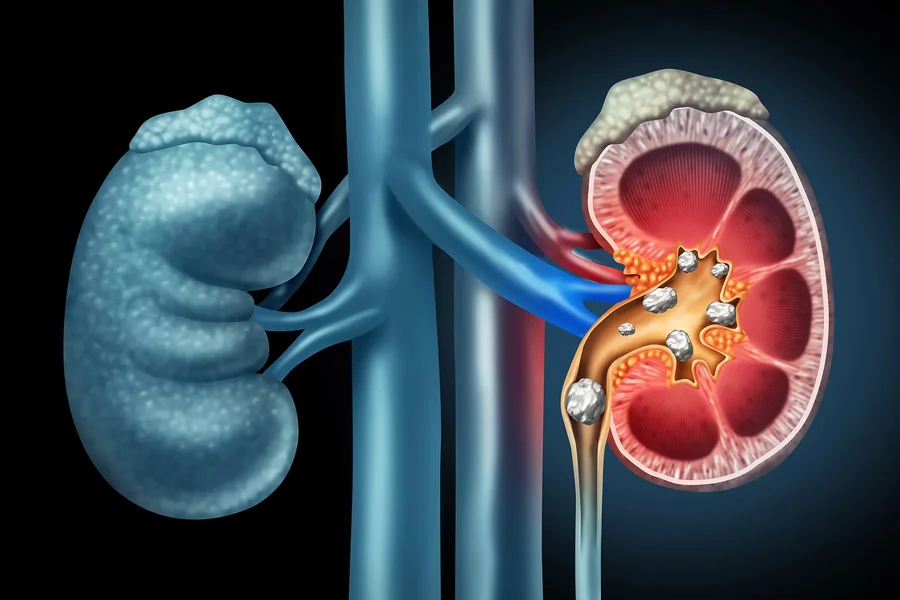
Kidney stones are a common urological condition affecting many patients in Singapore and worldwide, often presenting with sudden pain and discomfort. While a single episode of stone formation can usually be treated successfully, the condition has a strong tendency to recur if underlying risk factors are not addressed.
This is where a kidney stone specialist plays an important role, not only in treating the immediate stone episode but also in reducing the risk of future recurrence. In fact, long-term management is just as important as acute treatment, as many cases of Kidney stone are linked to ongoing metabolic or lifestyle factors.
Patients who require structured prevention and follow-up can benefit from specialist-led care that focuses on identifying root causes and tailoring preventive strategies. Learn more about it here https://allensimurologyclinic.com/ureteric-stones/.
Why Kidney Stones Keep Coming Back
Recurrent kidney stones are not simply a matter of chance; they often reflect ongoing underlying risk factors that have not been fully addressed. Common causes include chronic dehydration, high salt intake, excessive consumption of animal protein, and diets rich in oxalate-containing foods. In some patients, metabolic conditions such as high calcium levels in urine or abnormalities in uric acid metabolism also contribute to repeated stone formation. Genetic predisposition can further increase risk, making recurrence more likely even with lifestyle adjustments.
A kidney stone specialist evaluates these contributing factors in detail rather than focusing only on treating the existing stone. Without identifying and correcting the root cause, patients remain at high risk of developing new stones within months or years after the initial episode. Understanding why stones recur is therefore the first critical step in long-term prevention and effective management.
Comprehensive Evaluation By A Kidney Stone Specialist
When managing recurrent kidney stones, a kidney stone specialist performs a thorough and structured evaluation to uncover the underlying causes of stone formation. This typically begins with imaging studies such as ultrasound or non-contrast CT scans to assess the presence, size, and location of stones. Blood tests are also used to evaluate kidney function and detect metabolic abnormalities such as elevated calcium or uric acid levels.
A key part of long-term assessment is the 24-hour urine test, which helps identify imbalances in urine volume, calcium, oxalate, citrate, and other stone-forming substances. This test is particularly useful in recurrent cases, as it provides detailed insight into why stones are repeatedly forming. In addition, the specialist will often analyse the composition of previously passed or removed stones. Different stone types, such as calcium oxalate, uric acid, or struvite, require different prevention strategies.
Medical Management and Preventive Medication
A kidney stone specialist may recommend targeted medications to reduce the risk of recurrence, especially in patients with identifiable metabolic abnormalities. Treatment is not one-size-fits-all; it is guided by the type of stones formed and the results of blood and urine investigations.
Common preventive medications include:
- Thiazide diuretics – Used in patients with high urinary calcium to reduce calcium excretion in the urine
- Allopurinol – Helps lower uric acid levels in patients prone to uric acid stones
- Urine alkalinising agents (e.g. potassium citrate, sodium bicarbonate) – Help adjust urine pH to reduce stone formation, especially for uric acid or cystine stones
- Citrate supplementation – Inhibits stone formation by binding calcium and reducing crystal aggregation in urine
These medications are typically prescribed as part of a long-term prevention strategy rather than short-term relief.
Dietary And Lifestyle Modifications
Long-term prevention of kidney stones relies heavily on consistent dietary and lifestyle changes, which a kidney stone specialist will often emphasize as the foundation of management. Even with medication, poor hydration or an unbalanced diet can significantly increase the risk of recurrence.
Key lifestyle and dietary recommendations include:
- Increase fluid intake – Aim for sufficient water consumption to produce at least 2 to 2.5 litres of urine daily, which helps dilute stone-forming substances
- Reduce salt intake – High sodium levels increase calcium excretion in urine, raising the risk of calcium-based stones
- Moderate animal protein – Excessive intake of meat, poultry, and seafood can increase uric acid levels and reduce urinary citrate
- Limit high-oxalate foods (if applicable) – Such as spinach, nuts, chocolate, and tea, especially in patients prone to calcium oxalate stones
- Maintain a balanced calcium intake – Avoid excessive restriction, as dietary calcium actually helps bind oxalate in the gut and reduce absorption
- Adopt an active lifestyle – Regular physical activity supports overall metabolic health and may reduce stone risk indirectly
These adjustments are most effective when tailored to individual metabolic profiles, rather than applied as generic advice.
Conclusion
Recurrent kidney stones can be frustrating and disruptive, especially when episodes keep returning despite previous treatment. The key to breaking this cycle lies in understanding the underlying causes and committing to long-term prevention. With proper evaluation, tailored treatment, and consistent follow-up, most patients can significantly reduce their risk of future stone formation.
A structured plan guided by a kidney stone specialist helps ensure that both medical and lifestyle factors are addressed effectively over time. If you are experiencing recurrent kidney stones or want a personalised prevention plan, you can book a consultation at our clinic to discuss your condition and treatment options. More informations below:
Allen Sim Urology | Dr Allen Sim Soon Phang
Johor Clinic
Regency Specialist Hospital
Clinic F7, Ground Floor, No 1, Jln Suria, Bandar Seri Alam, 81750 Masai
Phone: +6017 523 3183
Singapore Clinic
Singapore Mount Alvernia Hospital
Medical Centre A, #02-03, 820 Thomson Road Singapore 574623
Phone: +65 9727 3900