
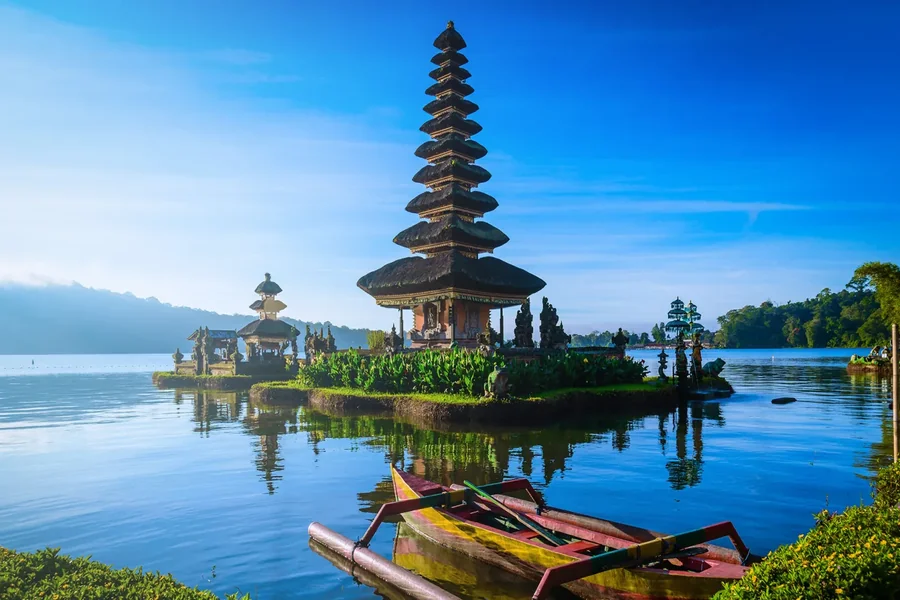
Travel today is no longer just about seeing famous landmarks or ticking countries off a list. More and more people are choosing destinations based on a specific aesthetic—a visual, emotional, or cultural “vibe” they want to experience and capture. Whether it’s pastel coastal towns, minimalist Scandinavian cities, rustic countryside charm, or neon-lit urban nightlife, aesthetic-driven travel has become a powerful way to design more meaningful journeys.
What It Means to Travel for an Aesthetic
An aesthetic is more than just appearance. It combines color palettes, architecture, atmosphere, lifestyle, and even the pace of life in a place. When someone travels for a specific aesthetic, they are curating their experience around a feeling or visual identity rather than traditional tourism goals.
For example, one traveler might chase a “Mediterranean summer aesthetic,” seeking whitewashed villages, blue water, and sun-bleached streets. Another might prefer a “dark academia aesthetic,” drawn to old libraries, gothic architecture, and foggy European cities. The goal is not just to visit a place but to immerse oneself in a coherent sensory world.
Why Aesthetic-Based Travel Is Growing
Social media has played a major role in this trend. Platforms like Instagram, Pinterest, and TikTok have made visual storytelling central to how people choose destinations. Travelers are constantly exposed to curated images of places that fit specific moods or styles, making it easier to associate locations with particular aesthetics.
Beyond social media influence, there is also a deeper psychological reason. Aesthetic-based travel allows people to express identity. The places we choose to visit—and how we document them—become extensions of personal taste. It’s a way of saying, “This is the world I feel most connected to.”
Popular Travel Aesthetics Around the World
Different destinations naturally align with different aesthetics. Some of the most popular include:
Coastal Minimalism:
This aesthetic focuses on calm, uncluttered seaside environments. Think of neutral tones, modern beach houses, quiet mornings, and slow living. Destinations like parts of Greece, Portugal, and California often embody this style.
Vintage European Charm:
Cobblestone streets, antique shops, café culture, and historic architecture define this aesthetic. Cities such as Paris, Prague, and Florence are classic examples where history and beauty blend seamlessly.
Tropical Boho Escape:
This aesthetic includes lush greenery, natural textures, and a relaxed, free-spirited vibe. Bali, Tulum, and certain Caribbean islands are often associated with this look and feel.
Urban Neon Nights:
For those drawn to energy and intensity, cities like Tokyo, Seoul, and New York deliver bright lights, futuristic design, and fast-paced environments that feel cinematic after dark.
Rustic Countryside Living:
Rolling hills, wooden cottages, and farm-to-table living define this aesthetic. Regions in Tuscany, the English countryside, and parts of rural France are ideal for travelers seeking simplicity and nature.
How to Plan a Trip Around an Aesthetic
Planning a journey based on an aesthetic requires a slightly different approach than traditional travel planning. Instead of starting with landmarks or activities, it begins with mood and visual inspiration.
First, define the aesthetic clearly. Collect images, colors, and ideas that represent the feeling you want. This helps narrow down destinations that naturally align with your vision.
Next, research places that match that aesthetic consistently, not just in isolated spots. A city might have one beautiful street, but the goal is to find destinations where the entire environment supports the vibe you’re looking for.
Accommodation also plays a big role. Boutique hotels, design-focused stays, or locally styled guesthouses can enhance the aesthetic experience far more than generic lodging. In Caribbean-inspired travel especially, many travelers now look for uniquely designed Puerto Rico vacation rentals that blend local architecture, tropical colors, and modern comfort into one cohesive visual experience.
Finally, consider timing. The same place can feel completely different depending on the season, lighting, and crowd levels. A snowy town in winter creates a completely different aesthetic than the same location in summer.
The Experience Beyond the Photos
While aesthetic travel is often associated with visual appeal and social media content, its real value goes deeper. It encourages travelers to be more intentional and observant. Instead of rushing from one attraction to another, they slow down and notice details like textures, light, sounds, and everyday life.
However, it’s important not to let aesthetics become the only goal. Real places are more complex than curated images, and the most meaningful travel experiences often come from moments that were not planned or “picture-perfect.”
Final Thoughts
Traveling in search of a specific aesthetic is a modern way to explore the world that blends creativity, identity, and experience. It transforms travel into something more personal and expressive, allowing people to design journeys that reflect their inner tastes.
Whether it’s coastal calm, urban energy, or vintage charm, the world offers endless variations of beauty. The key is not just finding the perfect aesthetic—but allowing yourself to experience the reality behind it once you arrive.